X
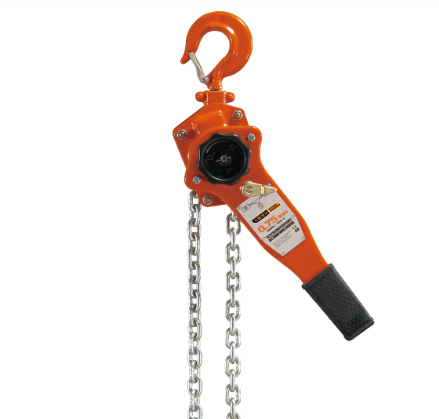
Through material and design innovation, they solve core pain points (portability and corrosion resistance) in specific scenarios, representing a typic...
View More >>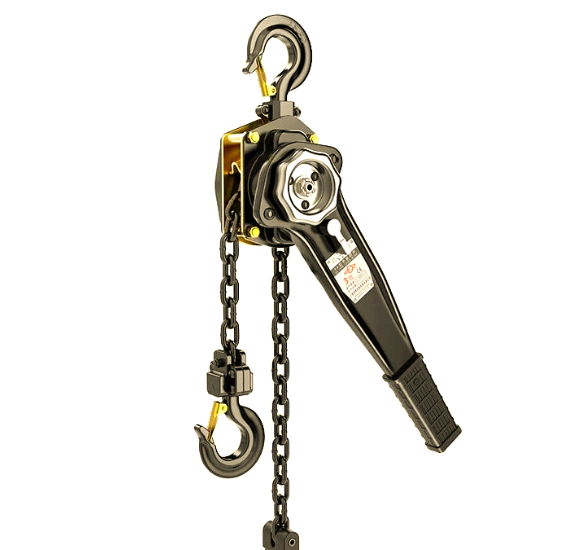
Before Use: A visual inspection (VIS) and functional inspection (FUNC) must be performed, focusing on hook opening, chain wear, and braking effectiven...
View More >>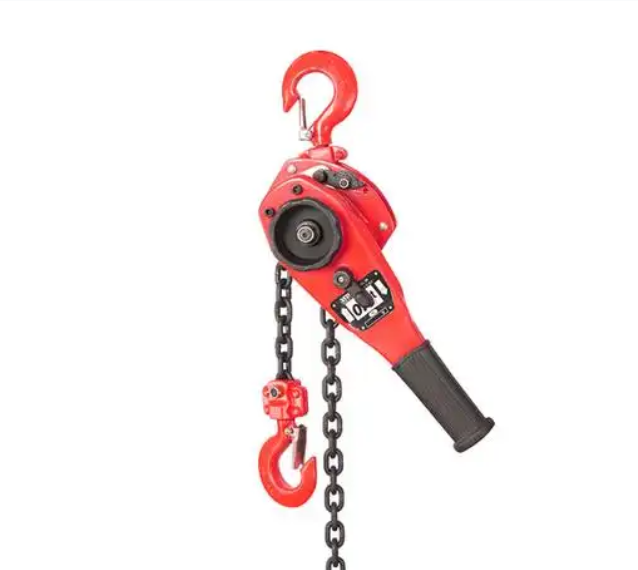
Wind Power and High-Altitude Operations: When maintenance personnel climb wind turbine towers, carrying lightweight tools is crucial, making aluminum ...
View More >>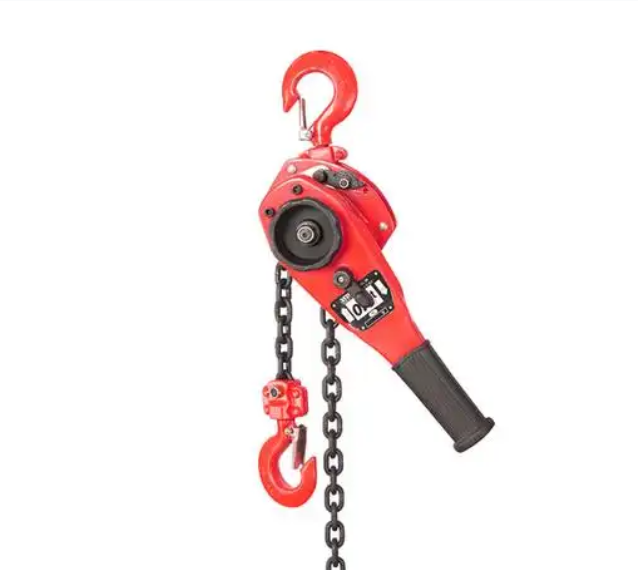
Based on core mechanical principles, they can be divided into:Screw type (S-type): Utilizes twin screws for force amplification, resulting in a compac...
View More >>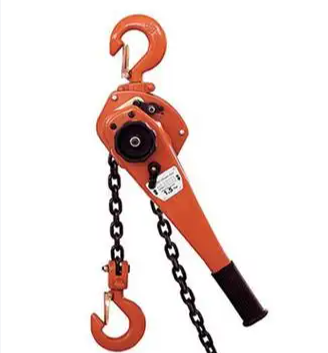
Lightweighting is integrated throughout the entire process of design, materials, and manufacturing, rather than simply replacing materials. This inclu...
View More >>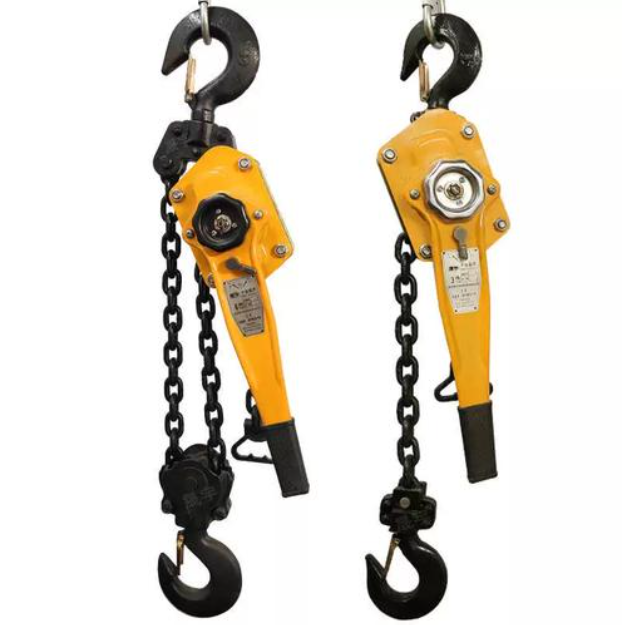
Main Structure: Generally, 7000 series (e.g., 7075-T6) or 6000 series (e.g., 6061-T6) aluminum alloys are used. The former has extremely high strength...
View More >>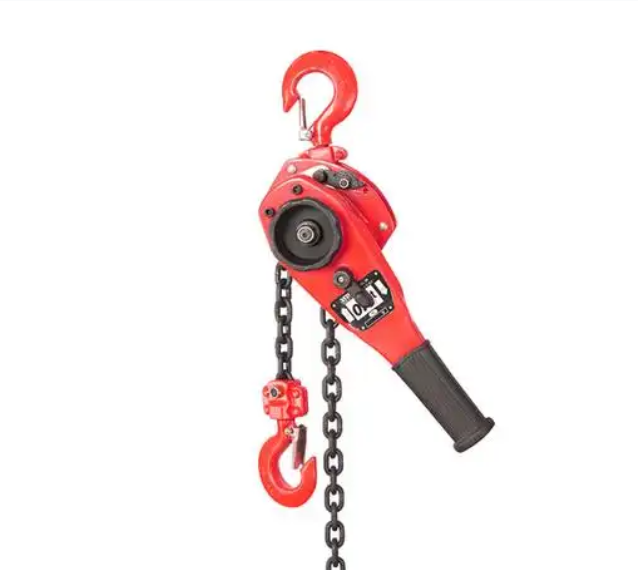
While meeting the safety factor of the rated load (typically ≥4 times), the ultimate goal is to optimize the weight-to-power ratio. The target users a...
View More >>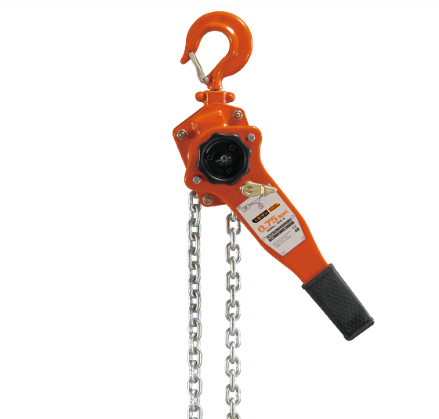
Determine the rated load and lifting height based on actual needs.Check if the product has a certificate of conformity, test report, and safety certif...
View More >>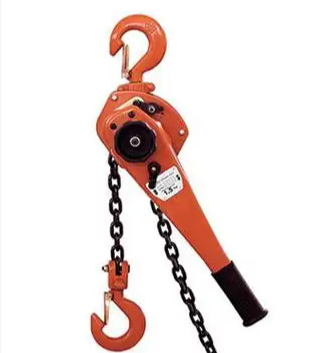
**Pre-use Inspection:** Ensure the hook, chain, and brake are undamaged and operate smoothly.**Overloading Strictly Prohibited:** Strictly operate wit...
View More >>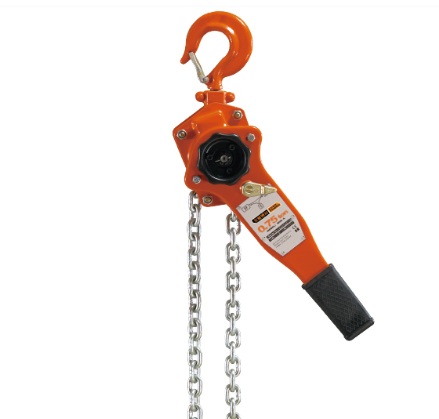
Shipbuilding and Repair: Lightweight and resistant to seawater corrosion.Power and Telecommunications Engineering: Power line installation and equipme...
View More >>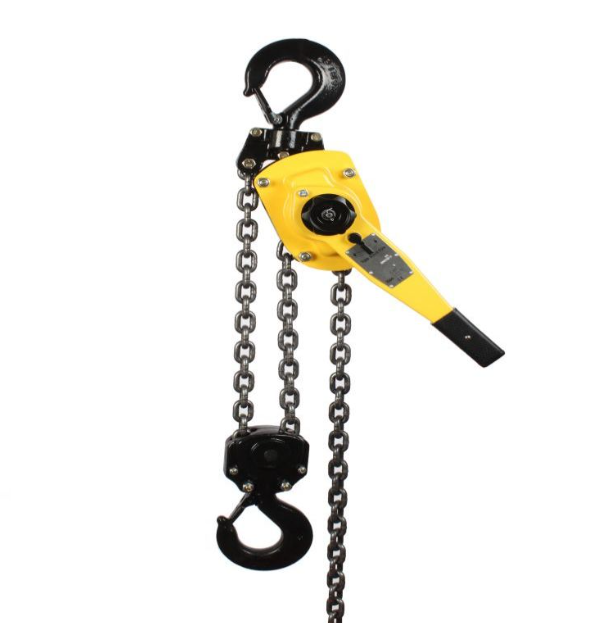
Rated Load: Common specifications include 0.25 tons, 0.5 tons, 1 ton, 1.5 tons, 2 tons, and 3 tons.Standard Lifting Height: Typically over 3 meters, e...
View More >>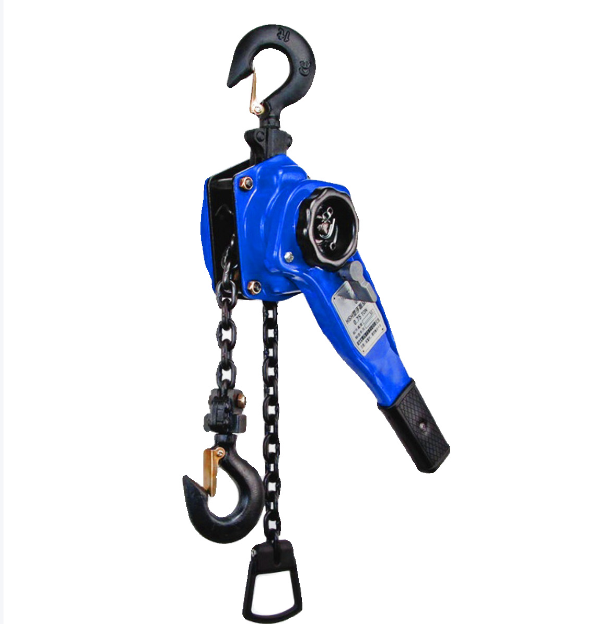
Lightweight: Compared to traditional steel hoists, they are approximately 30%-50% lighter, making them easy to carry and use in high-altitude and mobi...
View More >>
