X
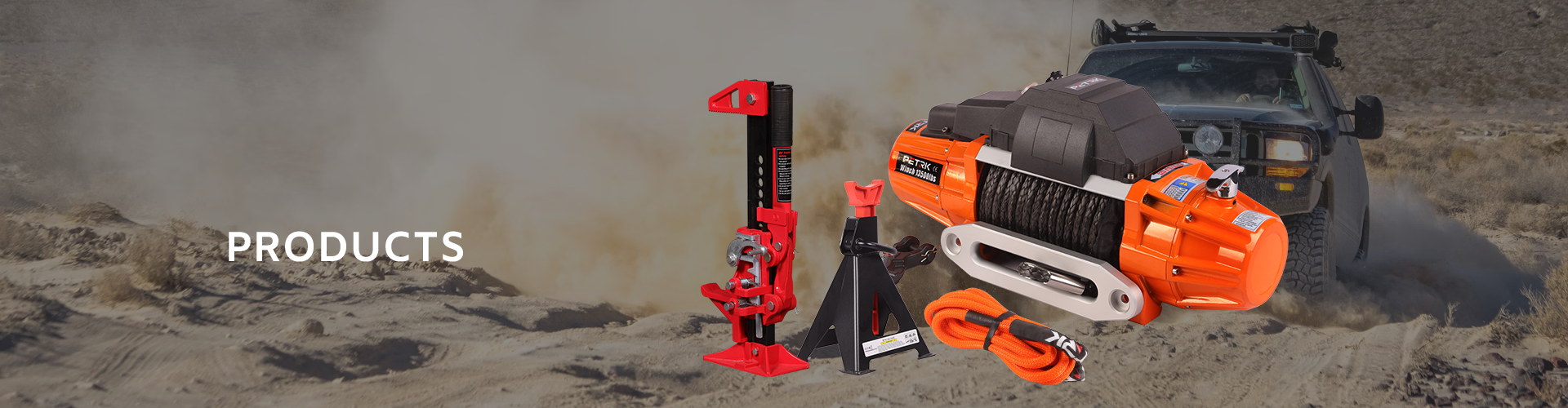
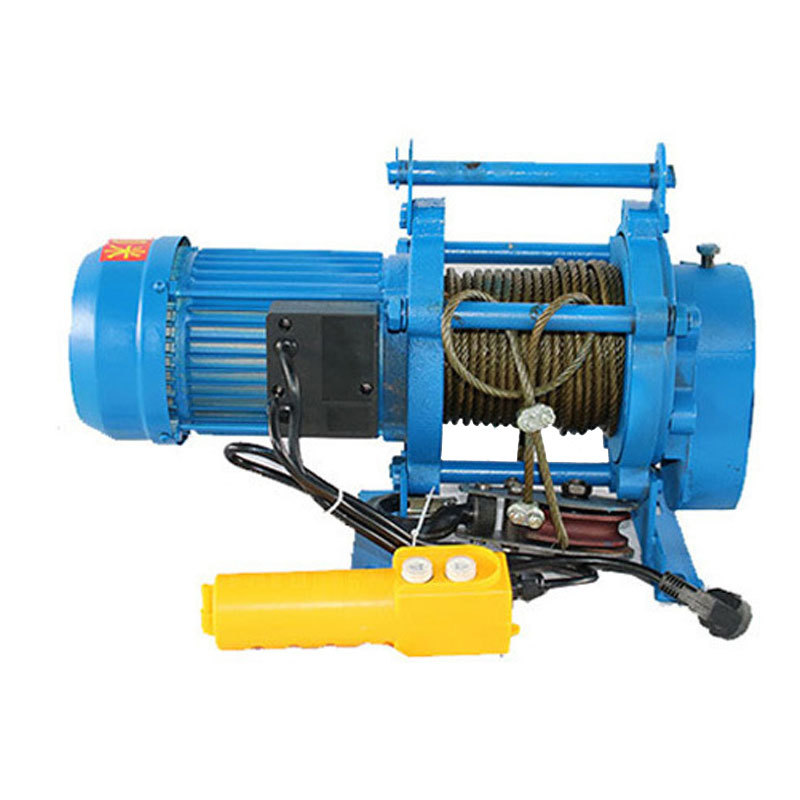
The technical advantage of cast iron aluminum shell hoists lies in their "rigidity and flexibility" design philosophy. Through the composite applicati...
View More >>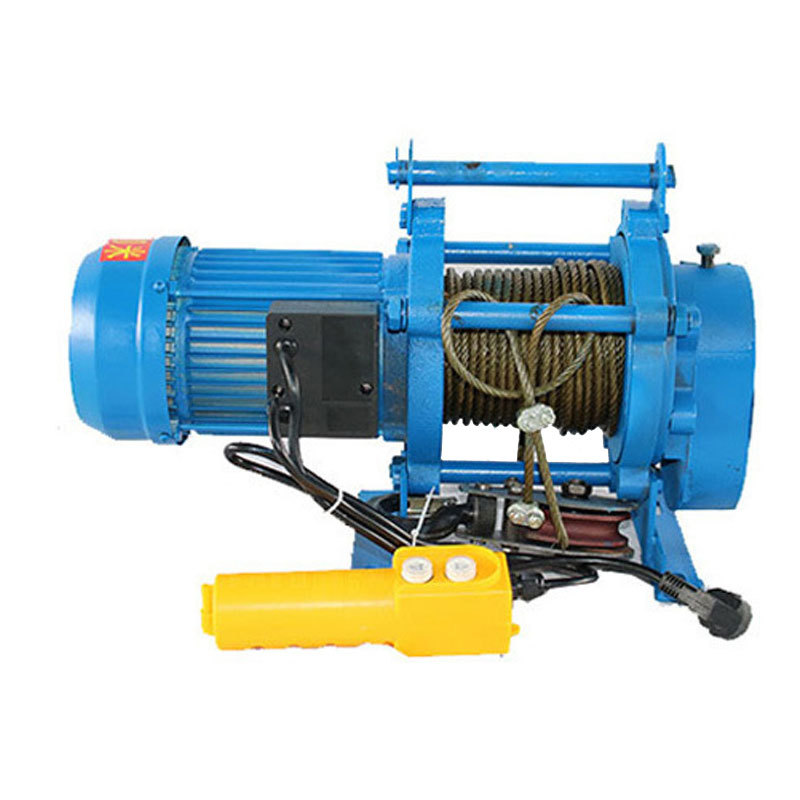
Key Inspection Points: Regularly check the wear and tear on the cast iron buckets and chain; this is the key to maintenance.Casing Protection: Avoid v...
View More >>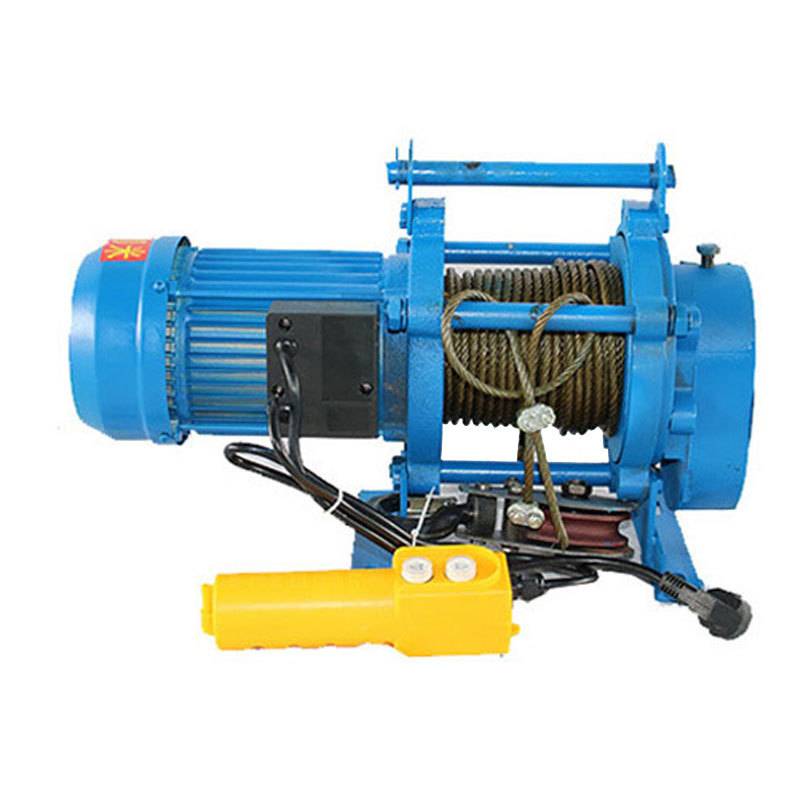
Selection Considerations: When selecting a cast iron bucket elevator with an aluminum shell, the following must be confirmed:Material Characteristics:...
View More >>Key Inspection Points: Regularly inspect the cast iron buckets and chain for wear; this is the focus of maintenance.Shell Protection: Avoid violent im...
View More >>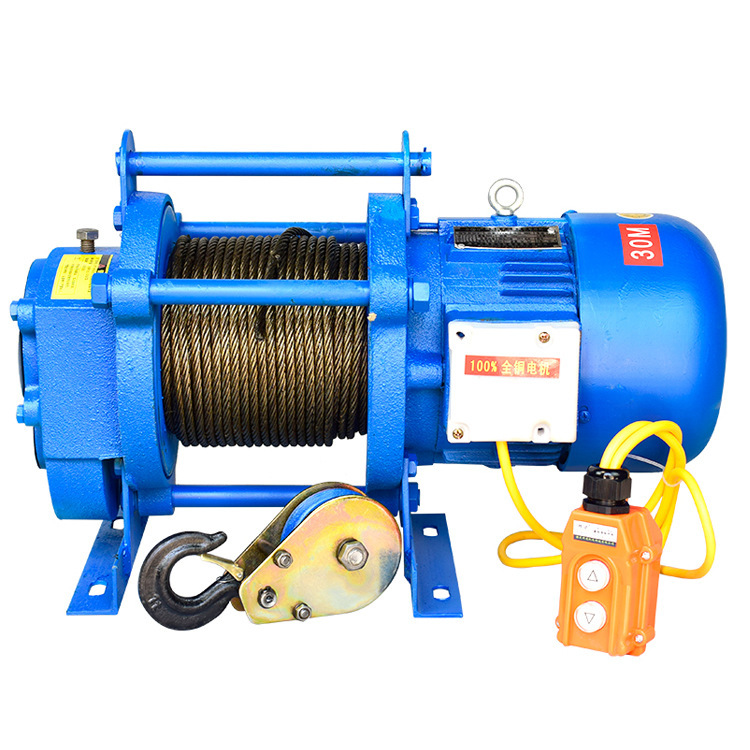
When selecting a cast iron/aluminum shell hoist, the following must be confirmed:Material Characteristics: Ensure that the material's abrasiveness...
View More >>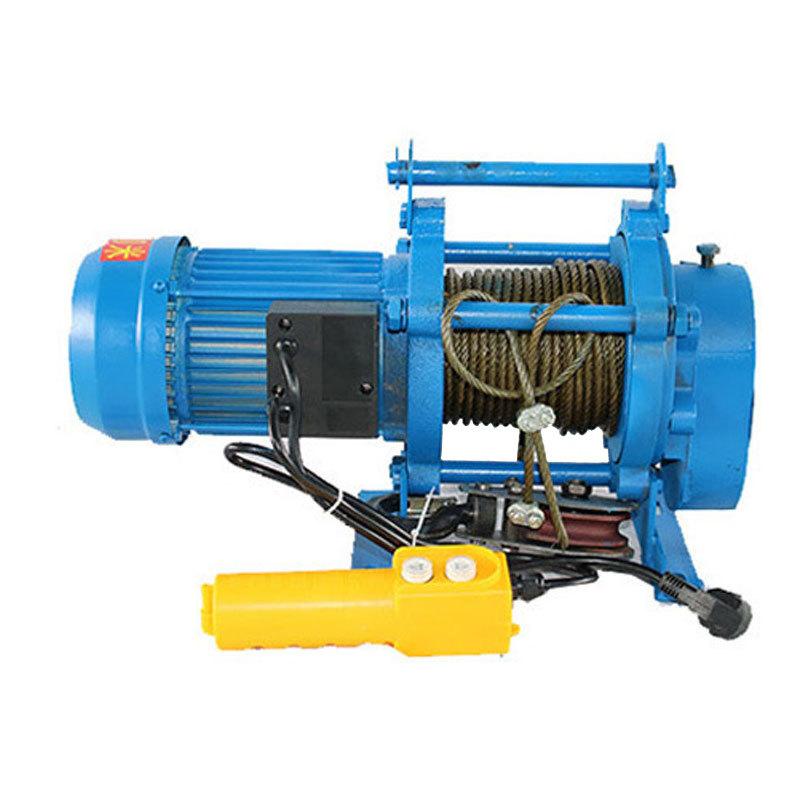
Cast iron and aluminum shell elevators are particularly suitable for the following fields:Food and Grain Industry: Elevating flour, sugar, grains, fee...
View More >>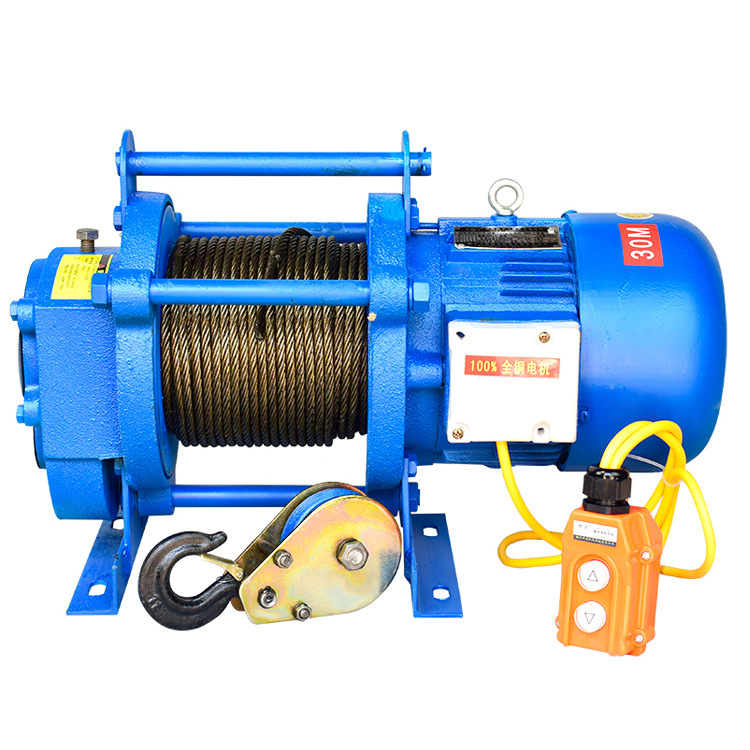
Structural Strength Limitations: Aluminum alloys have lower strength and rigidity than steel, making them unsuitable for lifting extremely heavy objec...
View More >>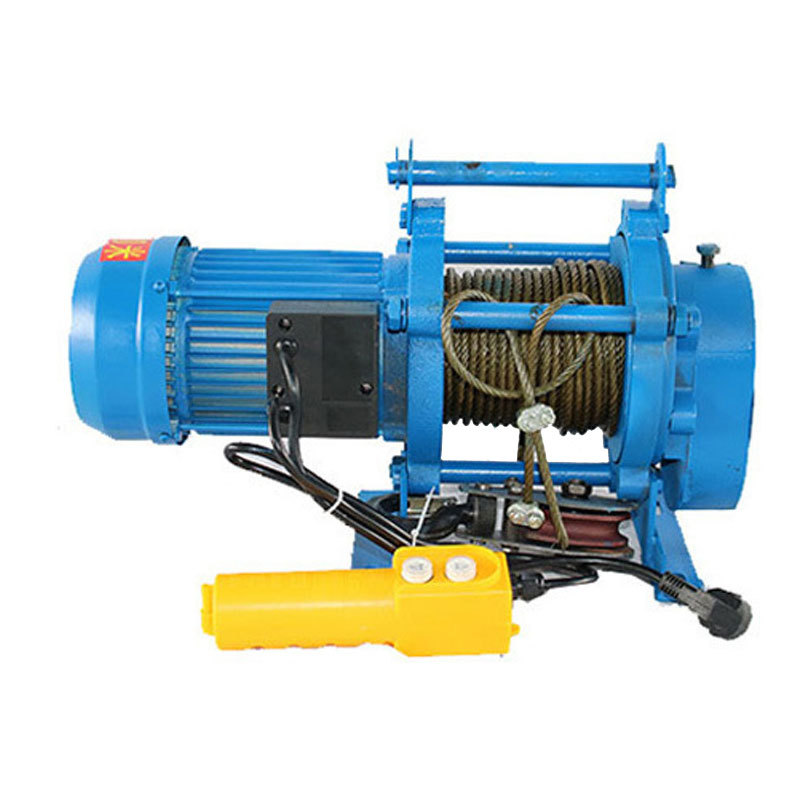
Aesthetically pleasing and clean: The smooth aluminum alloy surface is rust-resistant, keeping the equipment clean and enhancing the overall image of ...
View More >>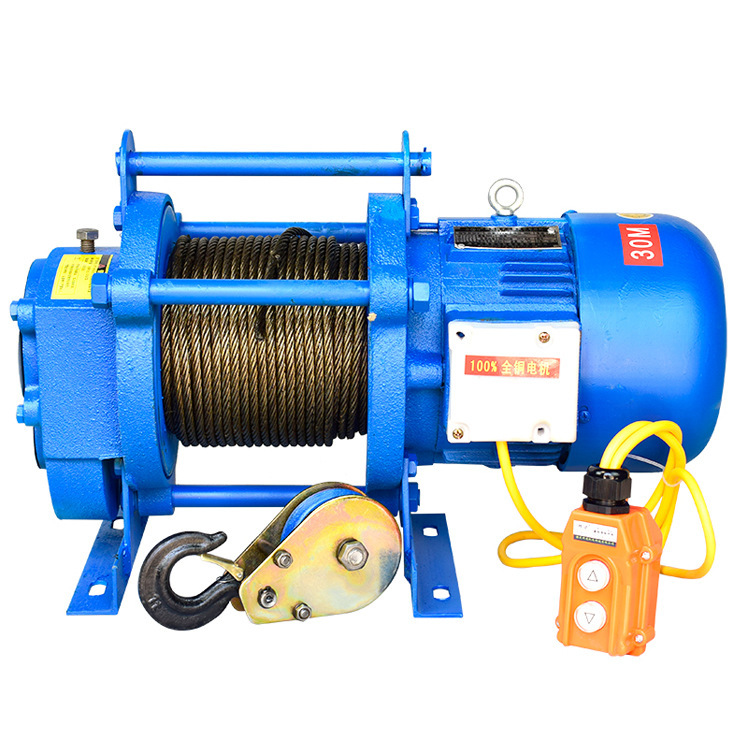
Aluminum alloy surfaces can form a dense oxide film, providing excellent resistance to atmospheric corrosion. They are suitable for humid environments...
View More >>
Performance and lifespan are both considered: Core wear parts (buckets, sprockets) are made of cast iron, which is wear-resistant and durable; the ext...
View More >>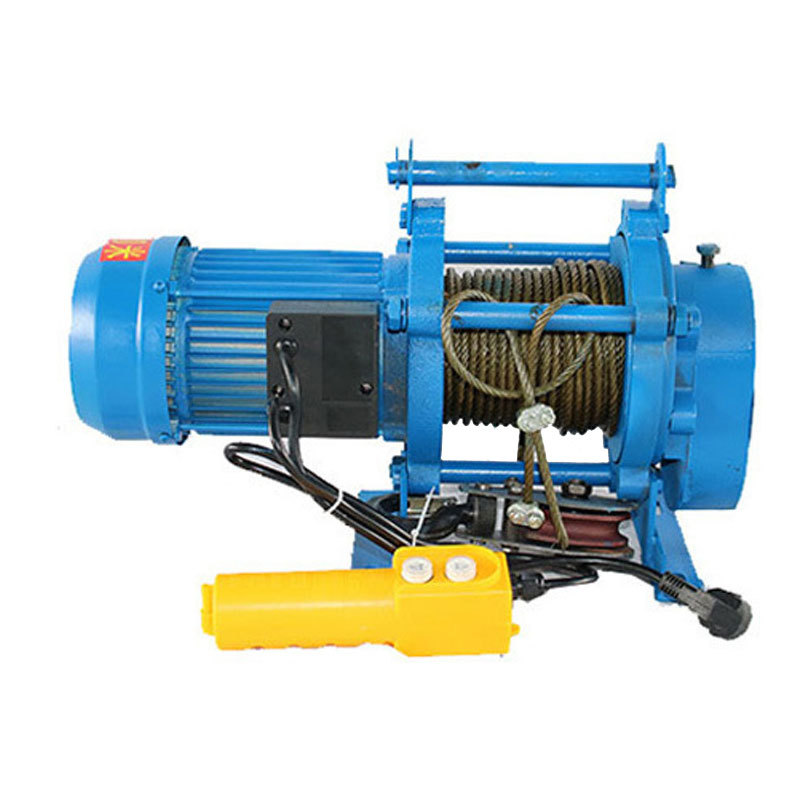
The working principle is the same as that of a conventional bucket elevator. Material is fed into the bottom inlet and scooped up or dug out by the mo...
View More >>
A typical cast iron aluminum shell hoist mainly consists of the following components:Drive unitHead and bottom wheel assemblyConveying and traction co...
View More >>
