X
Safety Red Lines (Ten Do Nots):Do not lift if the command signals are unclear or if the command is in violation of regulations.Do not lift if the load...
View More >>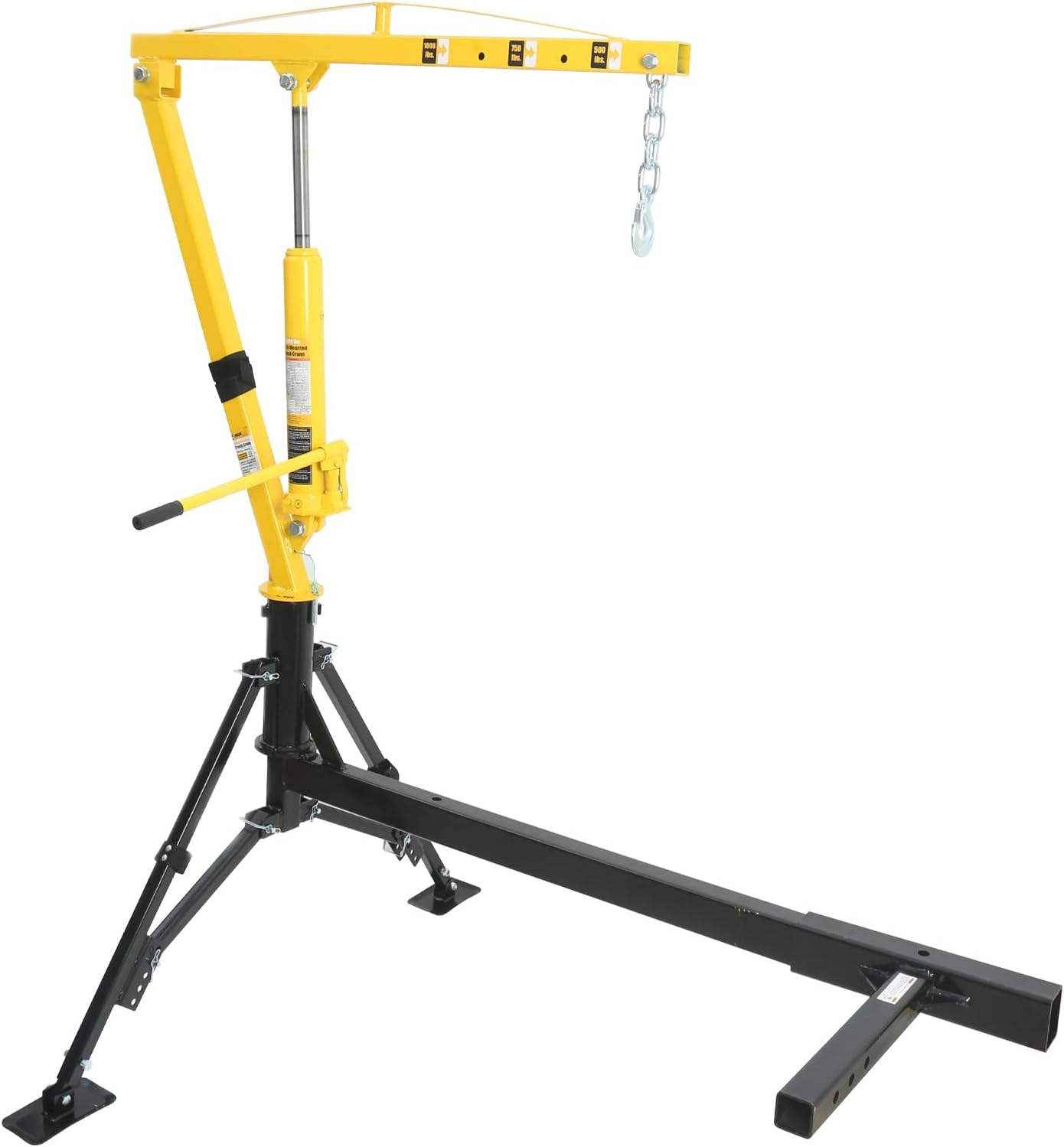
1. Identify your needs: Analyze the weight of the most commonly lifted cargo and the maximum required operating distance. Consult the product's "L...
View More >>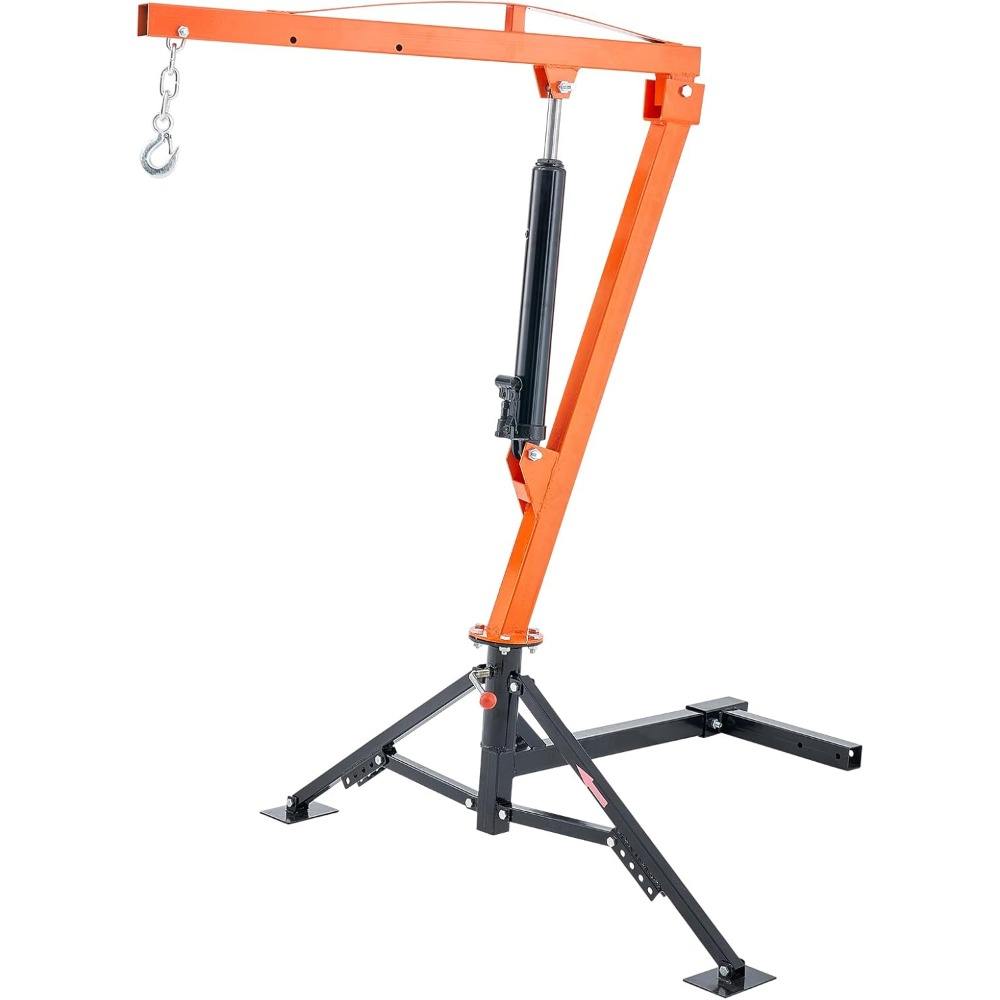
They are used to lift mortar, bricks, steel structures, and more, serving applications such as home renovations and small factory construction.
View More >>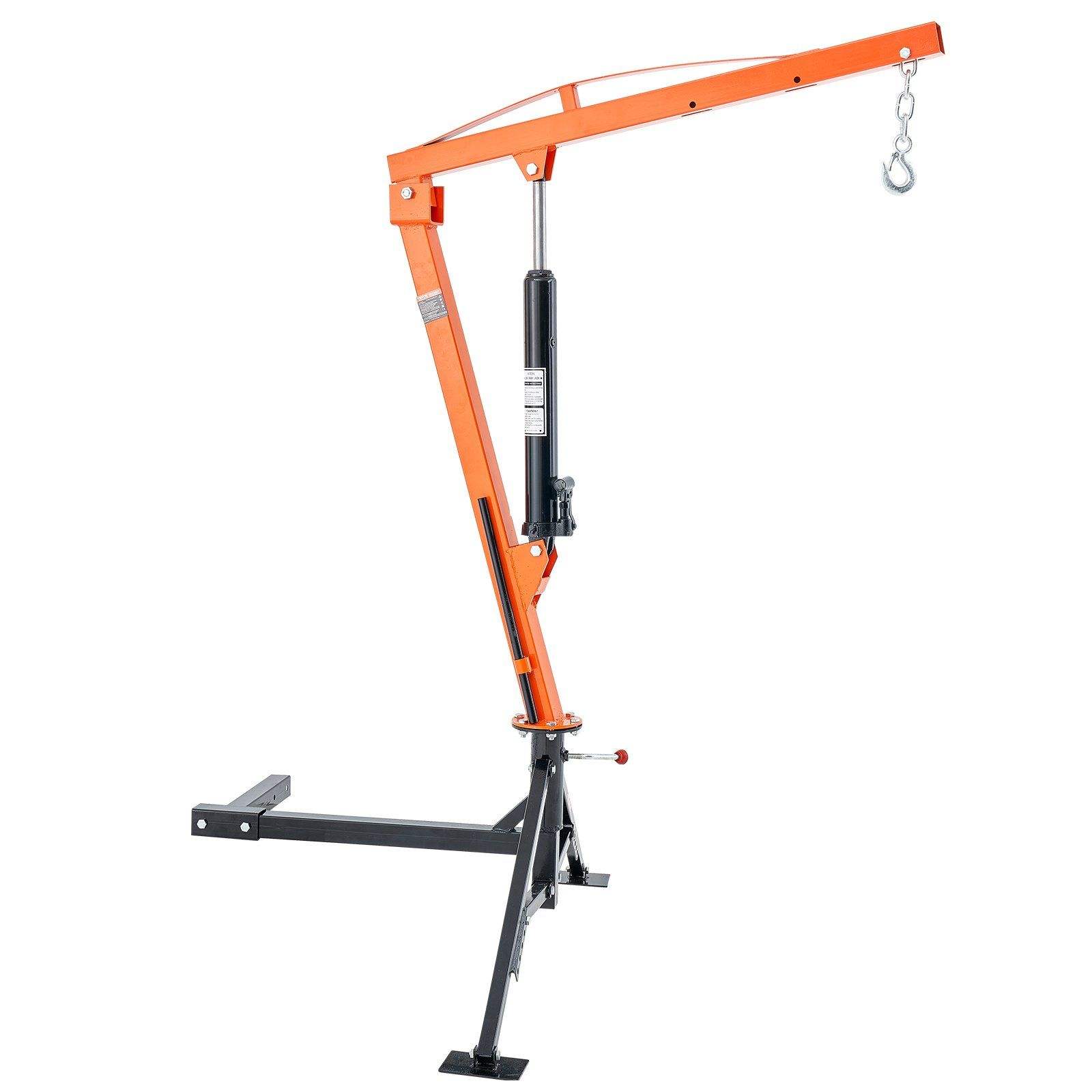
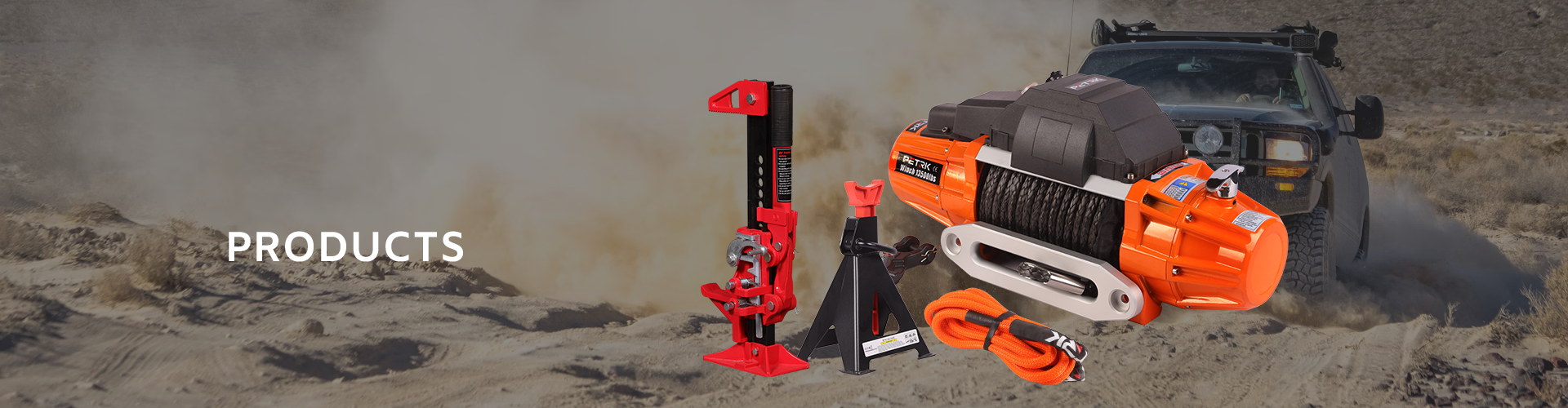
When an off-road vehicle is stuck, it can be used for self-rescue (e.g., lifting a wheel out of a mud pit). In emergency rescue, it can be used to qui...
View More >>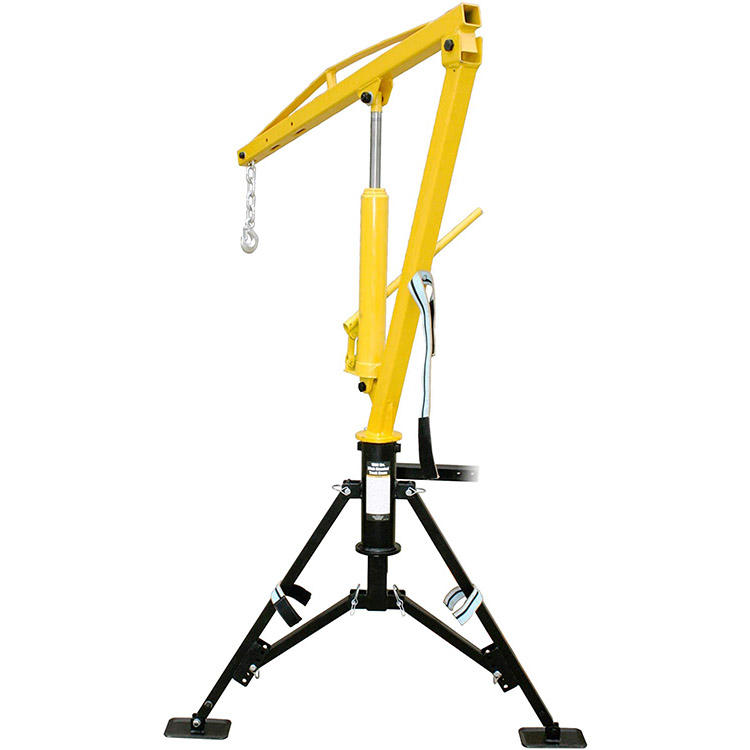
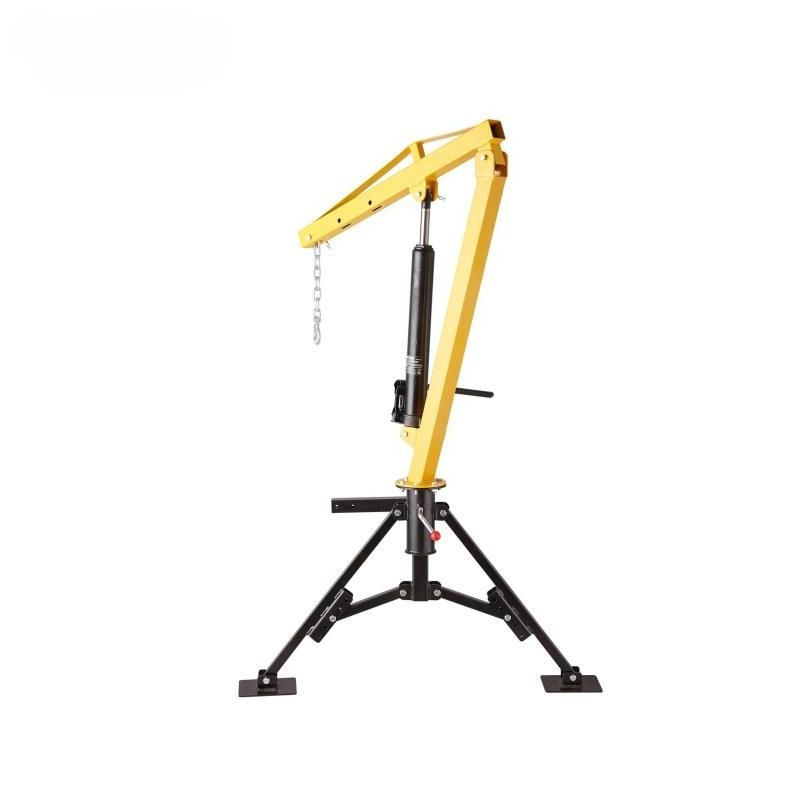
Based on the power source and structural characteristics, they can be categorized as follows:By power source:1. Electric hydraulic2. Mechanical drive3...
View More >>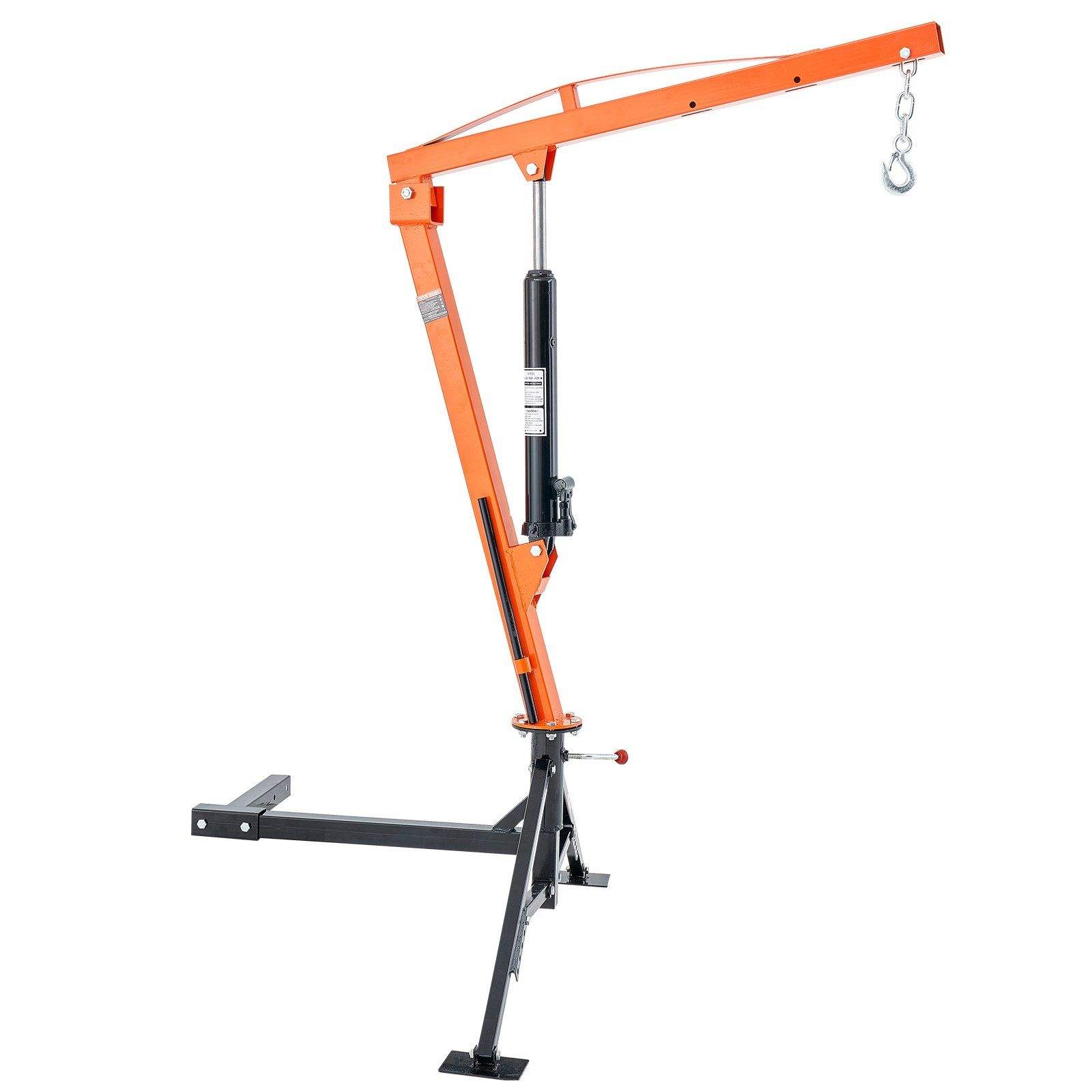
This system's core purpose is to address "last mile" or "on-site" lifting needs. It bridges the gap between the inability of large cranes to reach...
View More >>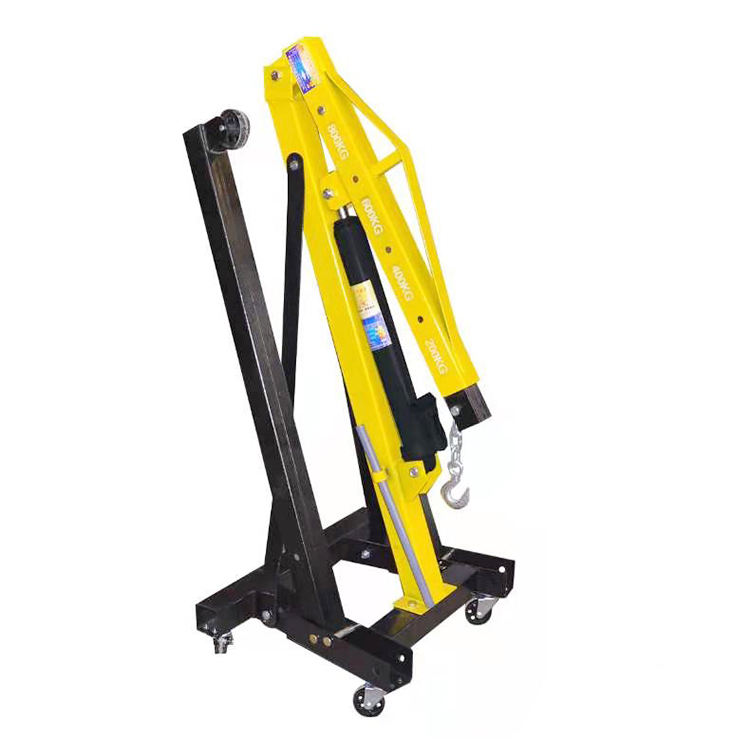
It is recommended that operators receive basic lifting safety training and understand the relationship between center of gravity, lever arm, and stabi...
View More >>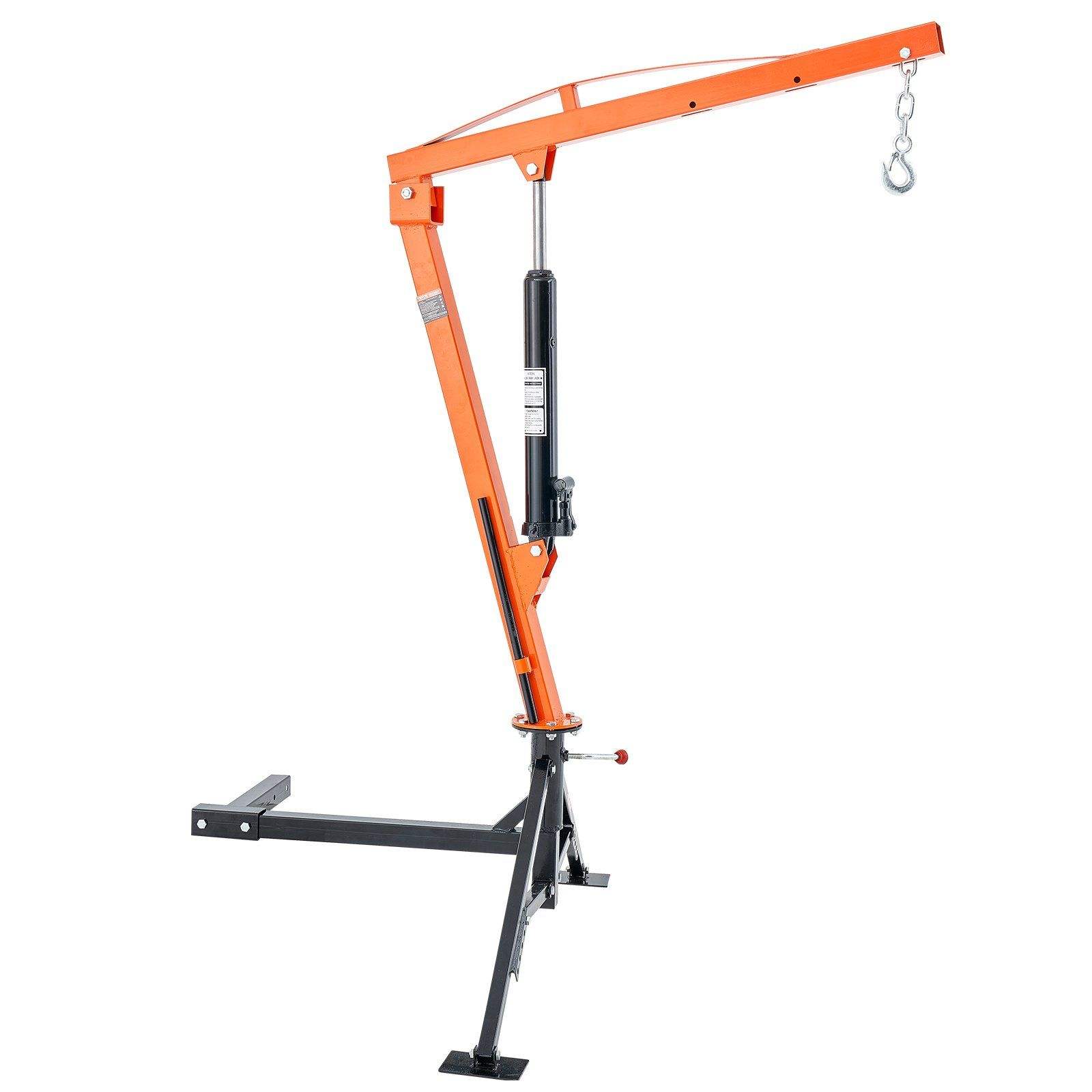
Regular Maintenance: Regularly replace the specified hydraulic oil and filter, lubricate the slewing bearing and bearings, and check the insulation pe...
View More >>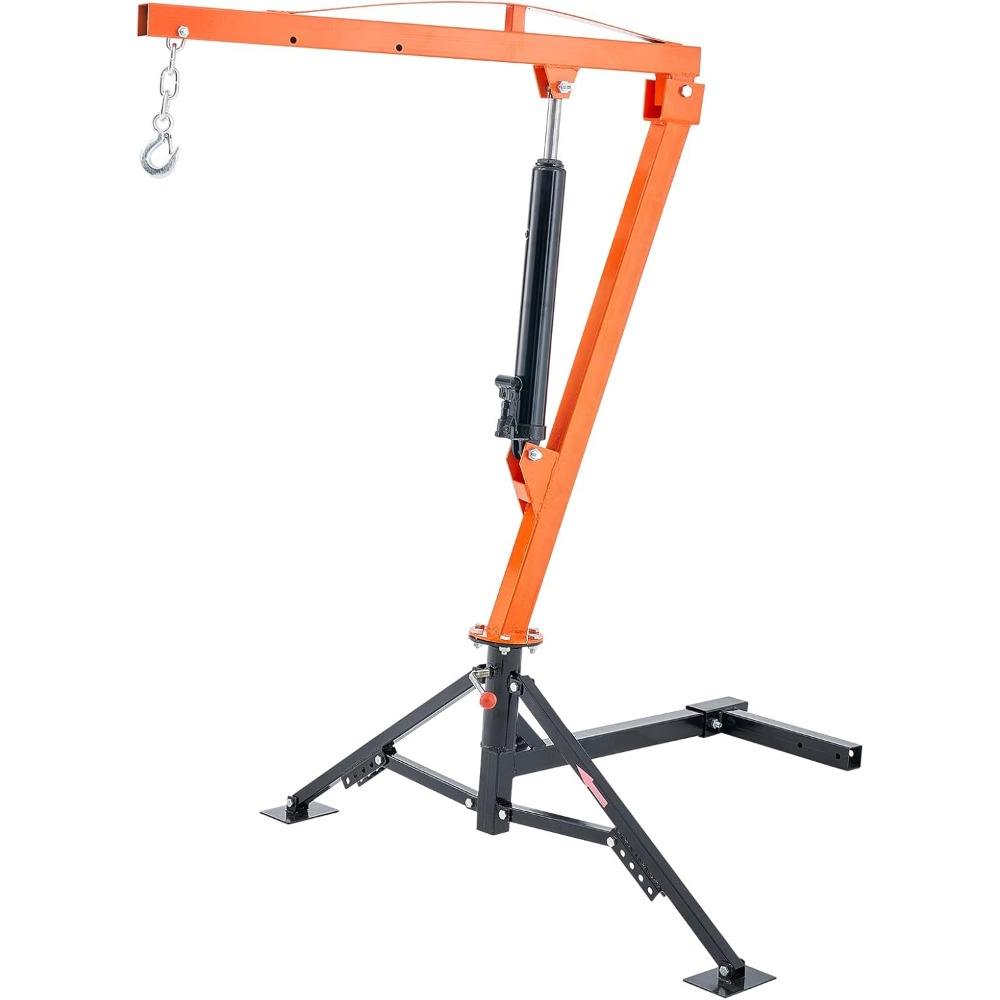
Pre-operation Inspection System: Establish a daily inspection checklist covering items such as structural cracks, hydraulic oil leaks, wire rope wear,...
View More >>
Beyond conventional logistics handling, their applications have expanded to:Emergency rescue: Used for vehicle demolition and obstacle removal in traf...
View More >>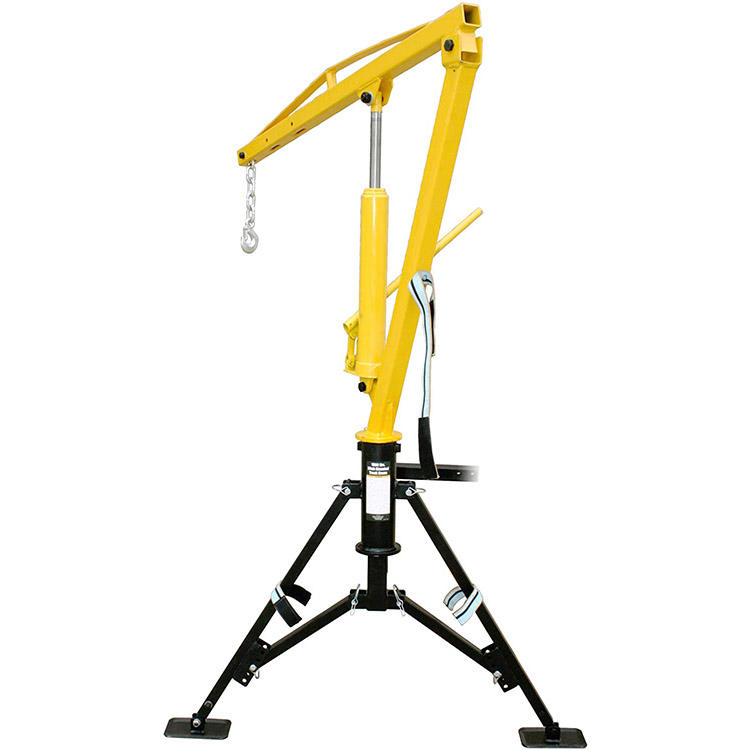
The installation process must strictly follow the manufacturer's instructions. The basic steps are: clean the vehicle's opening → insert the c...
View More >>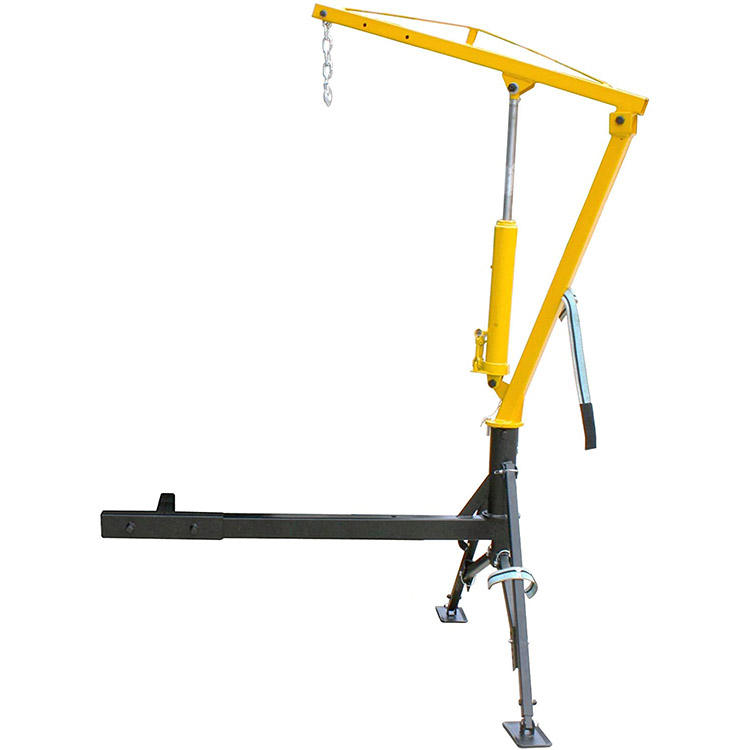
When selecting a crane, users should pay special attention to the following parameters:Vehicle Compatibility: Confirm whether the vehicle's tracto...
View More >>
