X

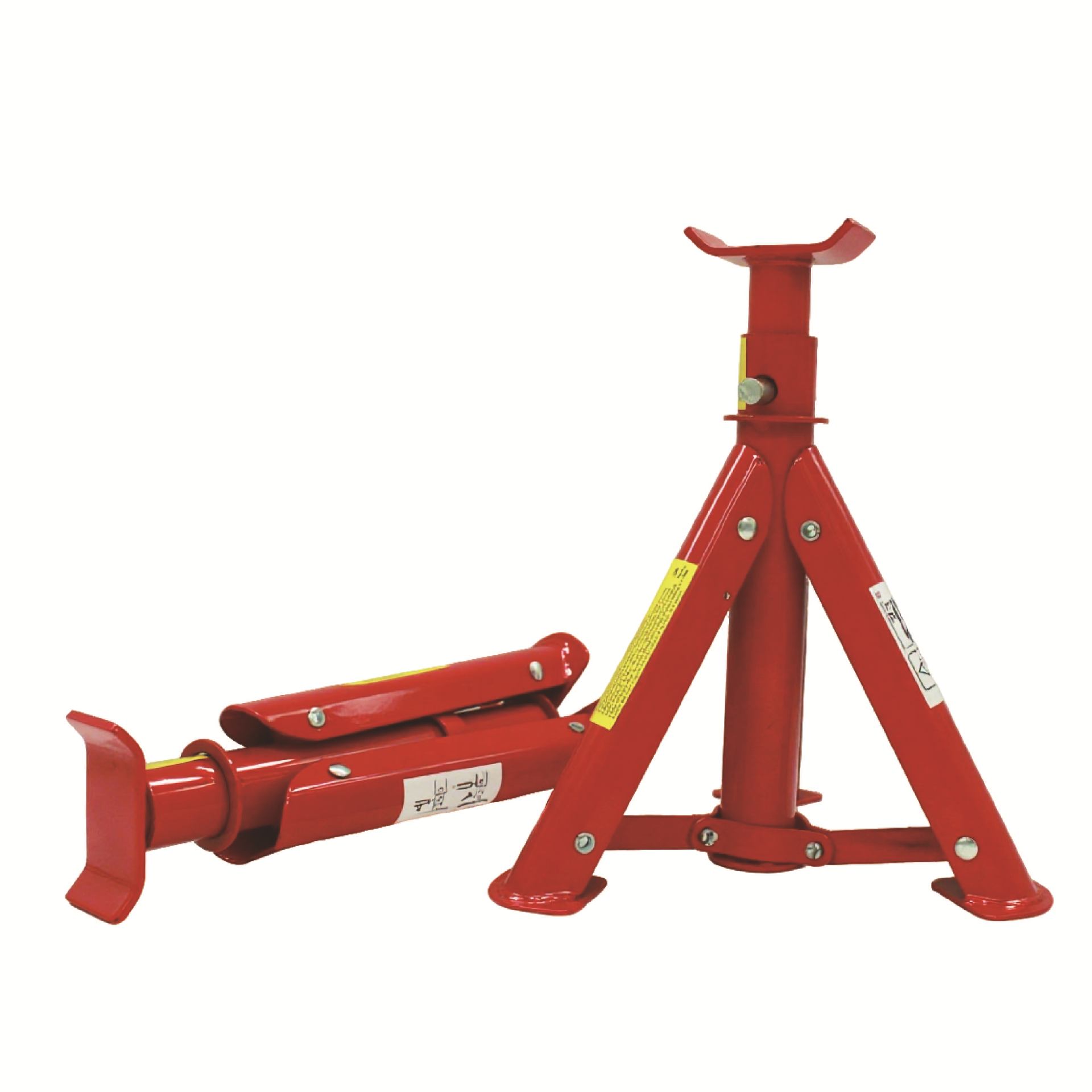
Load Capacity: Choose a bracket based on the weight of the vehicle you typically use, leaving ample margin (it's recommended to choose a model wit...
View More >>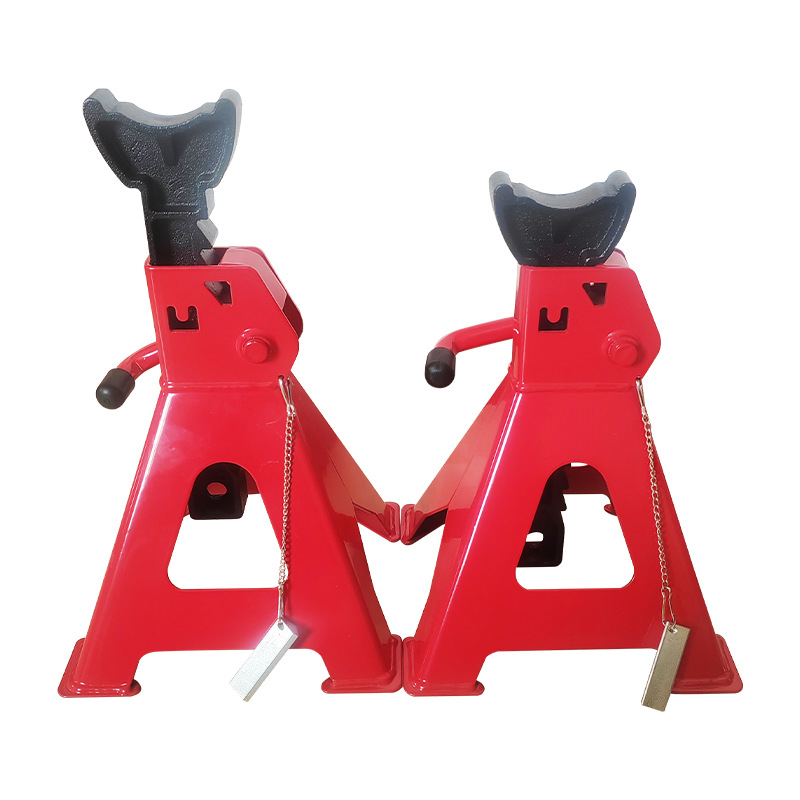
Park the vehicle on a hard, level surface, apply the parking brake, and secure the wheels with chocks.Identify the officially designated support point...
View More >>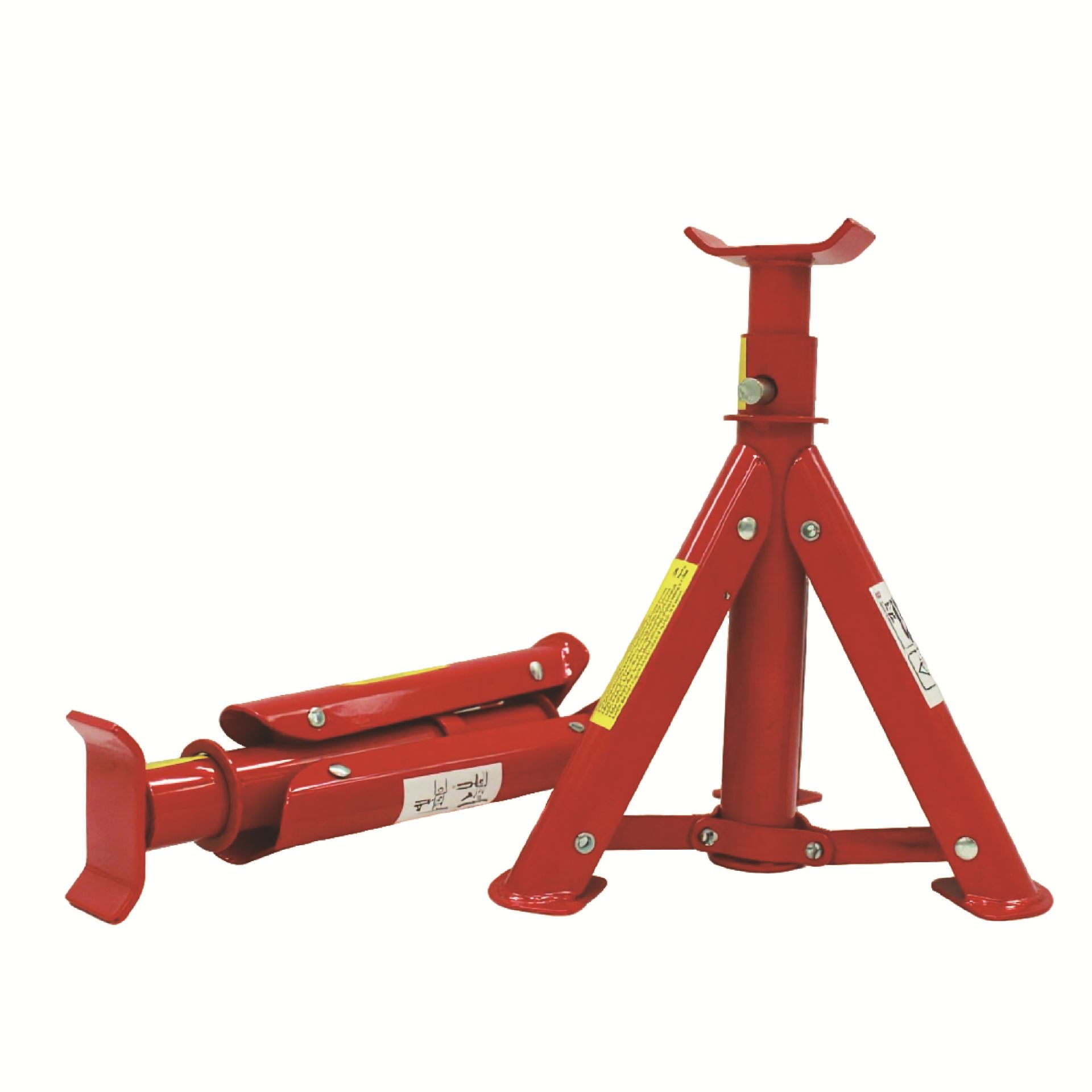
A-shaped bracket: The most common type, with an A-shaped base for excellent stability.U-shaped bracket: A U-shaped bracket at the top, more suitable f...
View More >>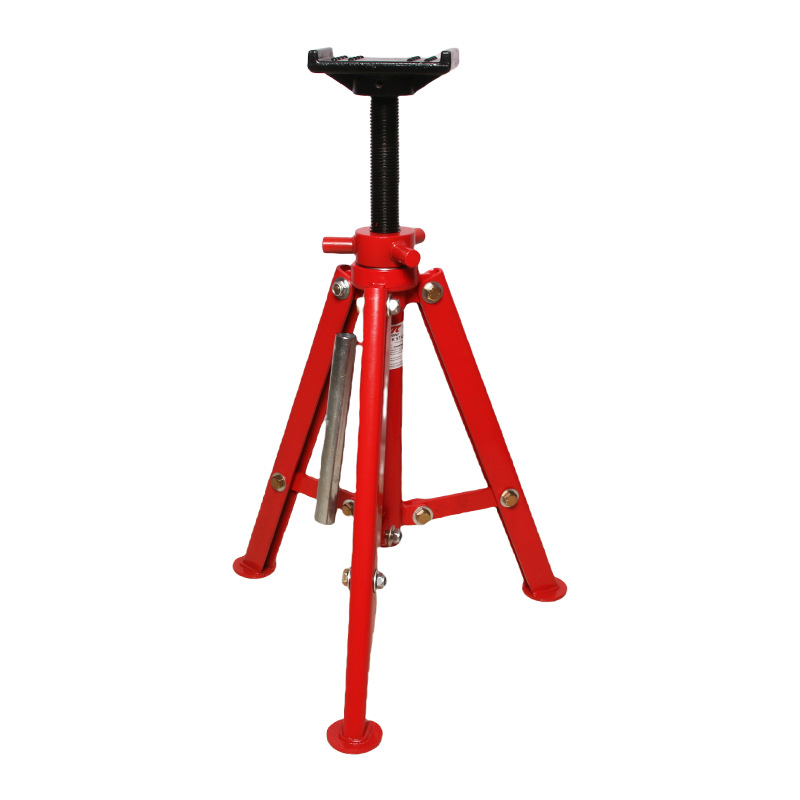
Classification by load-bearing capacity: Common models include 2-ton, 3-ton, 5-ton, and 8-ton models (specifications are usually based on the load-bea...
View More >>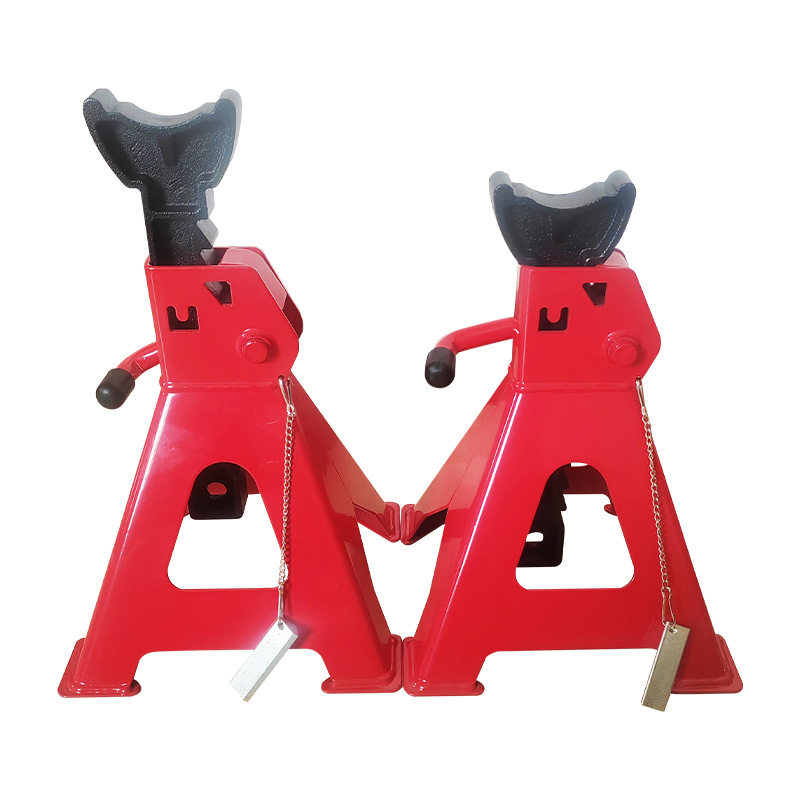
Its operating principle is based on rigid support and mechanical self-locking:Lifting: First, use a jack to raise the vehicle from its original positi...
View More >>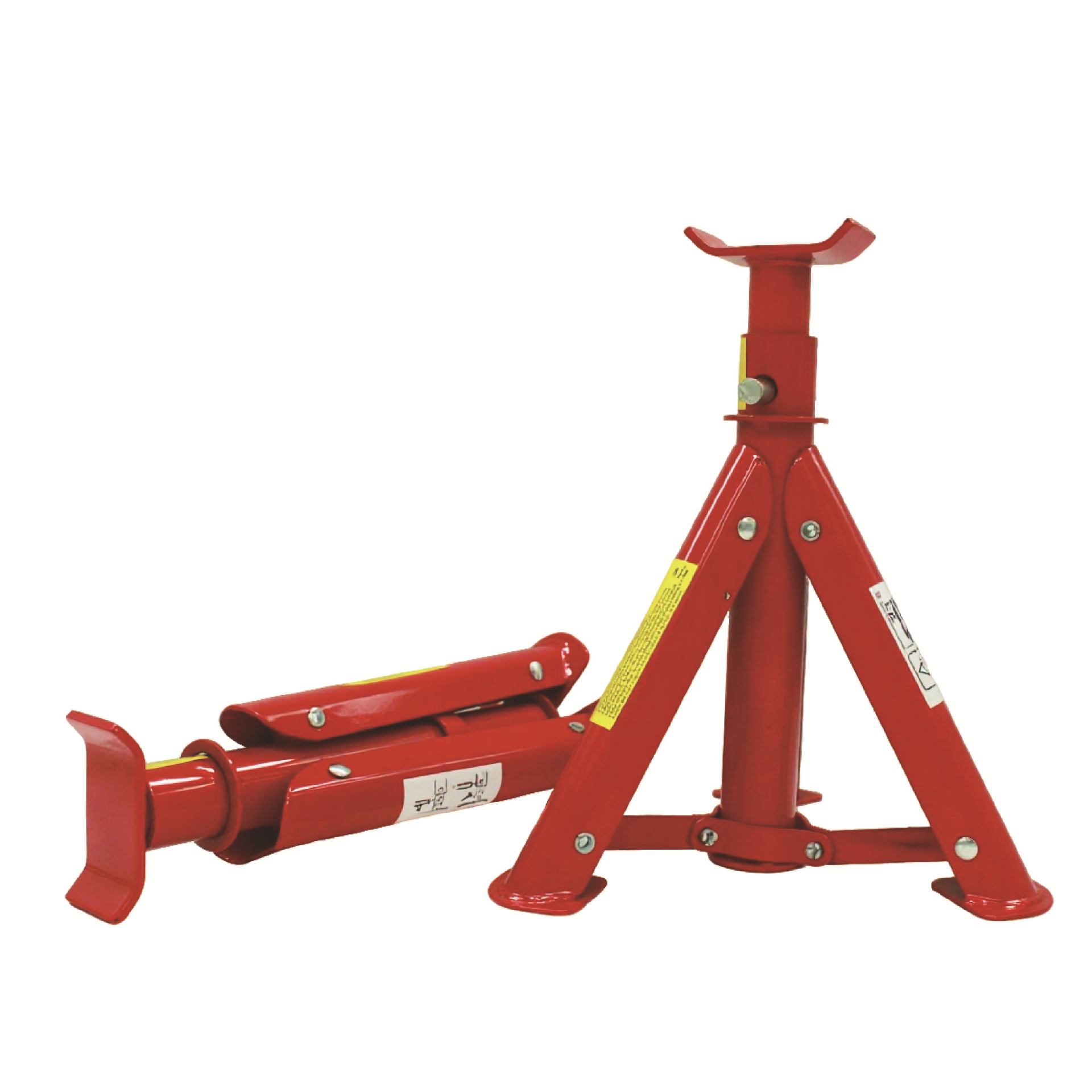
A typical vehicle lift safety stand typically consists of the following components:Support column (main frame): The primary vertical load-bearing stru...
View More >>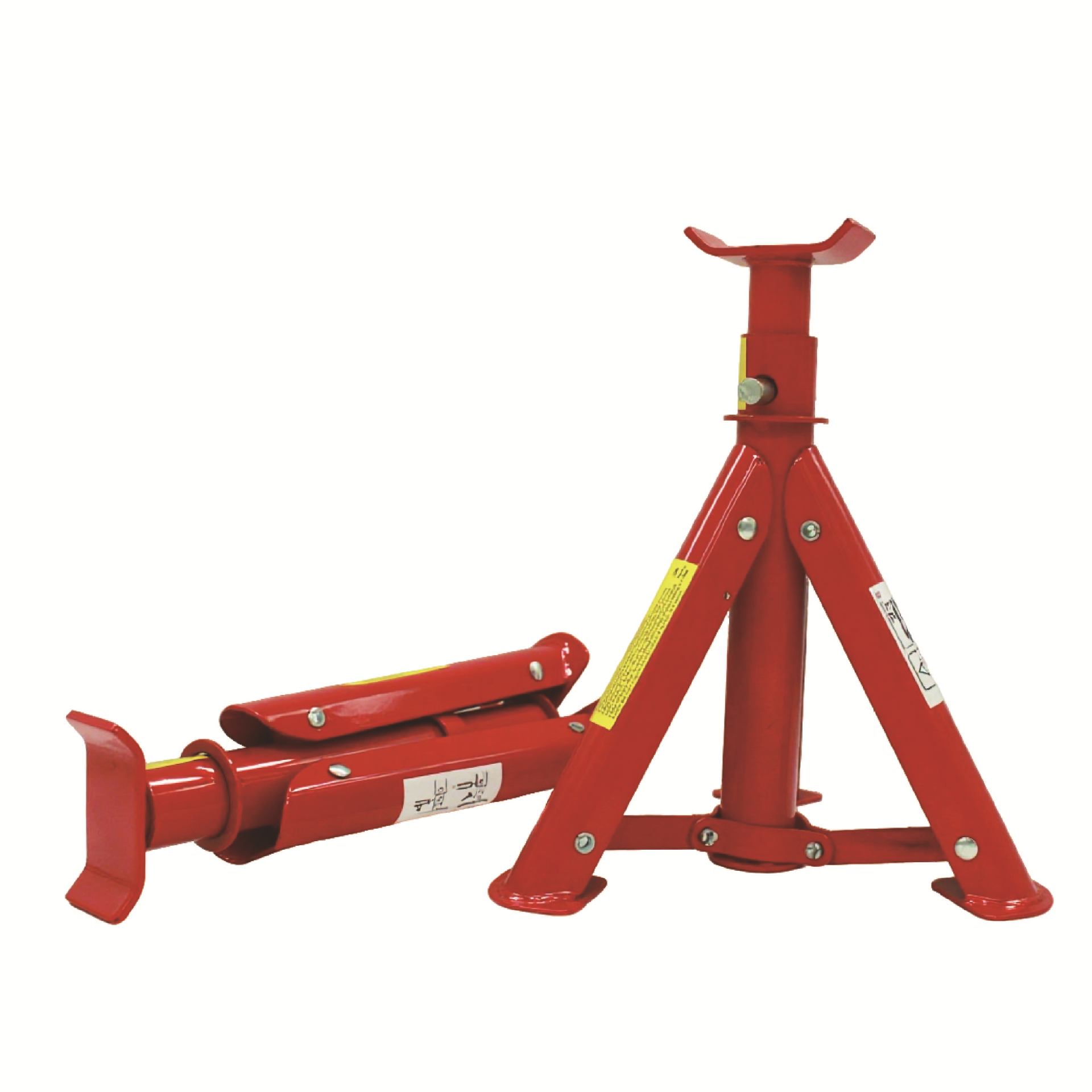
As a secondary protection device for major lifting equipment such as hydraulic jacks and pneumatic lifts, these brackets are essential equipment requi...
View More >>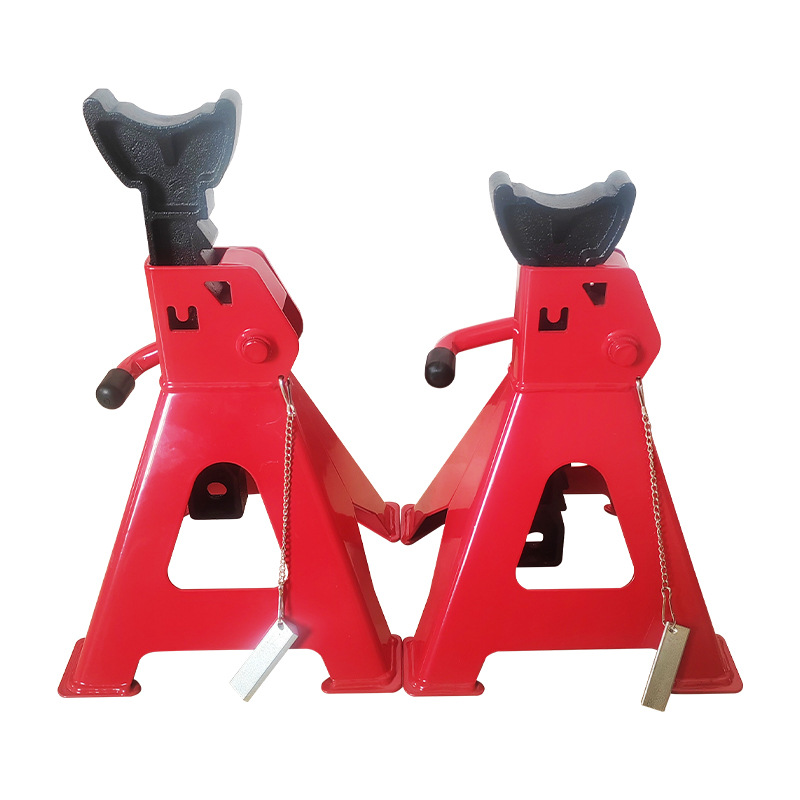
Vehicle underbody maintenance: such as changing engine oil and transmission fluid, inspecting the exhaust pipe and brake system, etc.Tire replacement:...
View More >>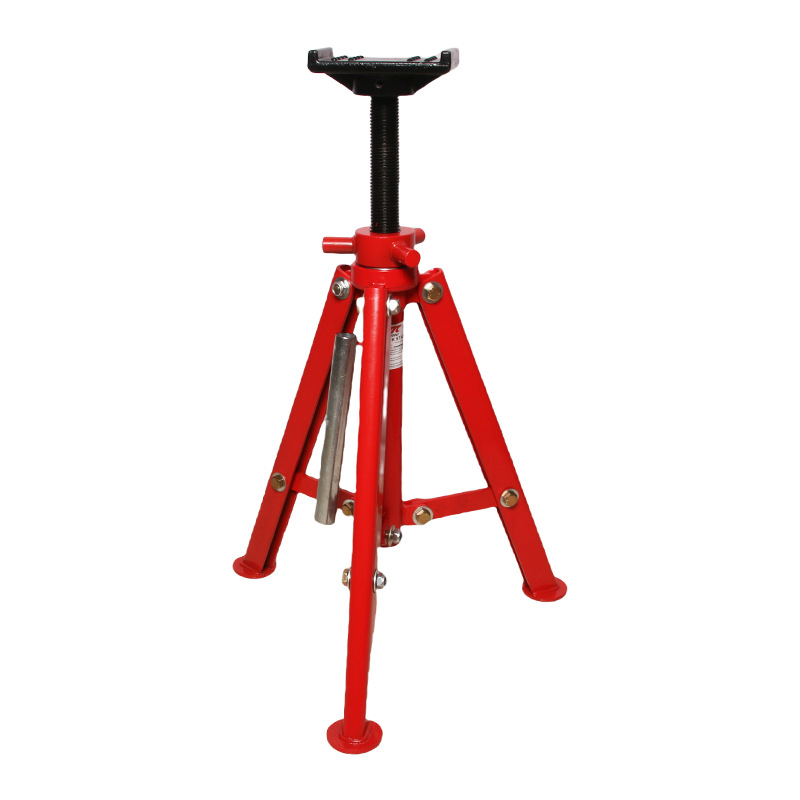
Car lifting safety stands, also known as car safety stands, repair stands, or jack stands, are mechanical devices used to provide secondary support an...
View More >>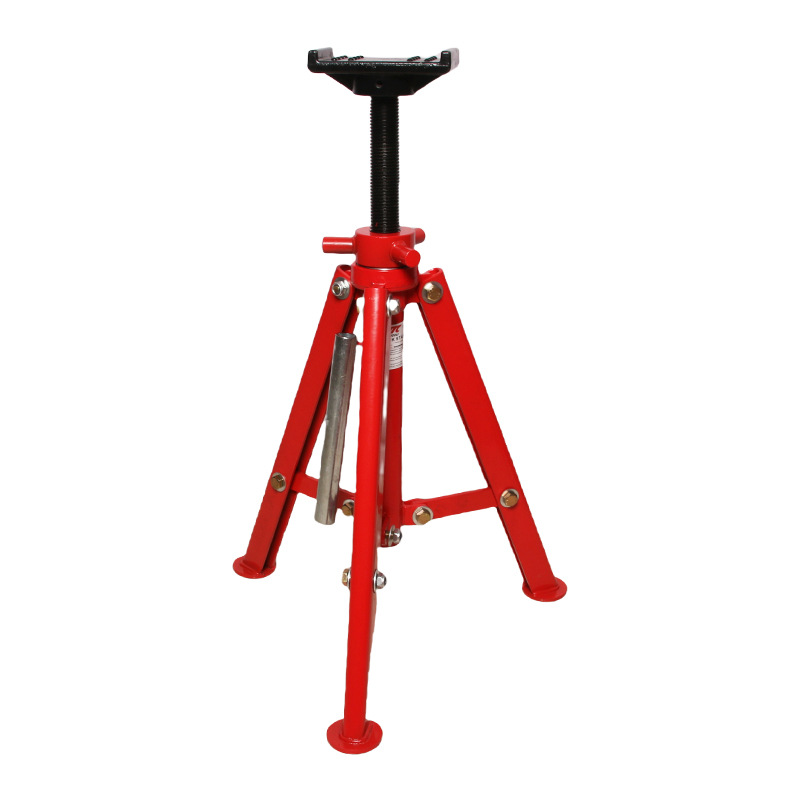
Maximum load capacity: Before use, understand the maximum load capacity of the safety stand to ensure it can safely support the vehicle.Force control:...
View More >>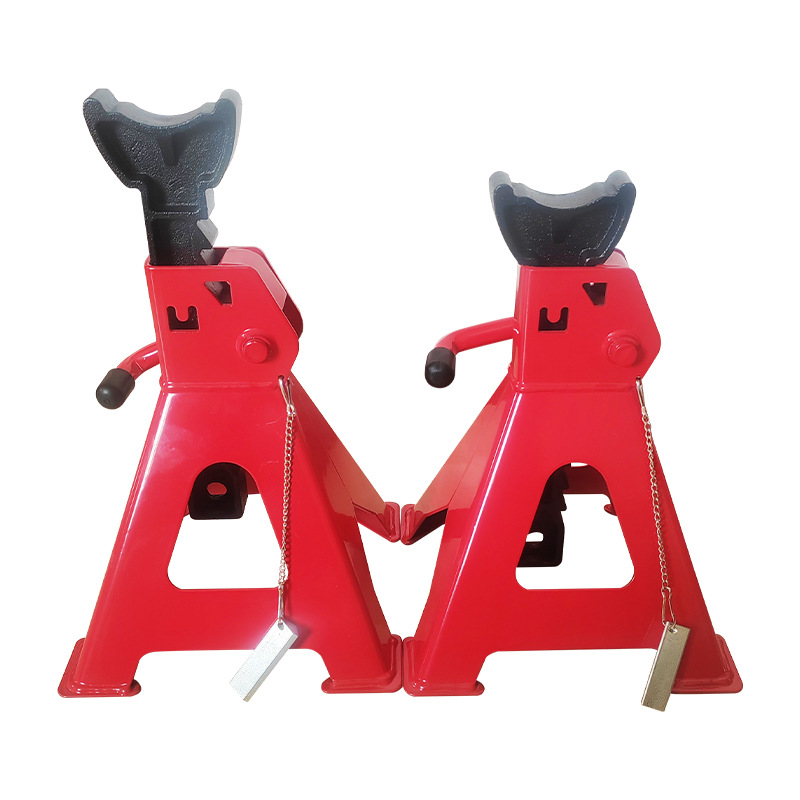
Proper placement: Safety stands should be placed on designated points on the vehicle to avoid damage to the bumper and other components.Vehicle brakin...
View More >>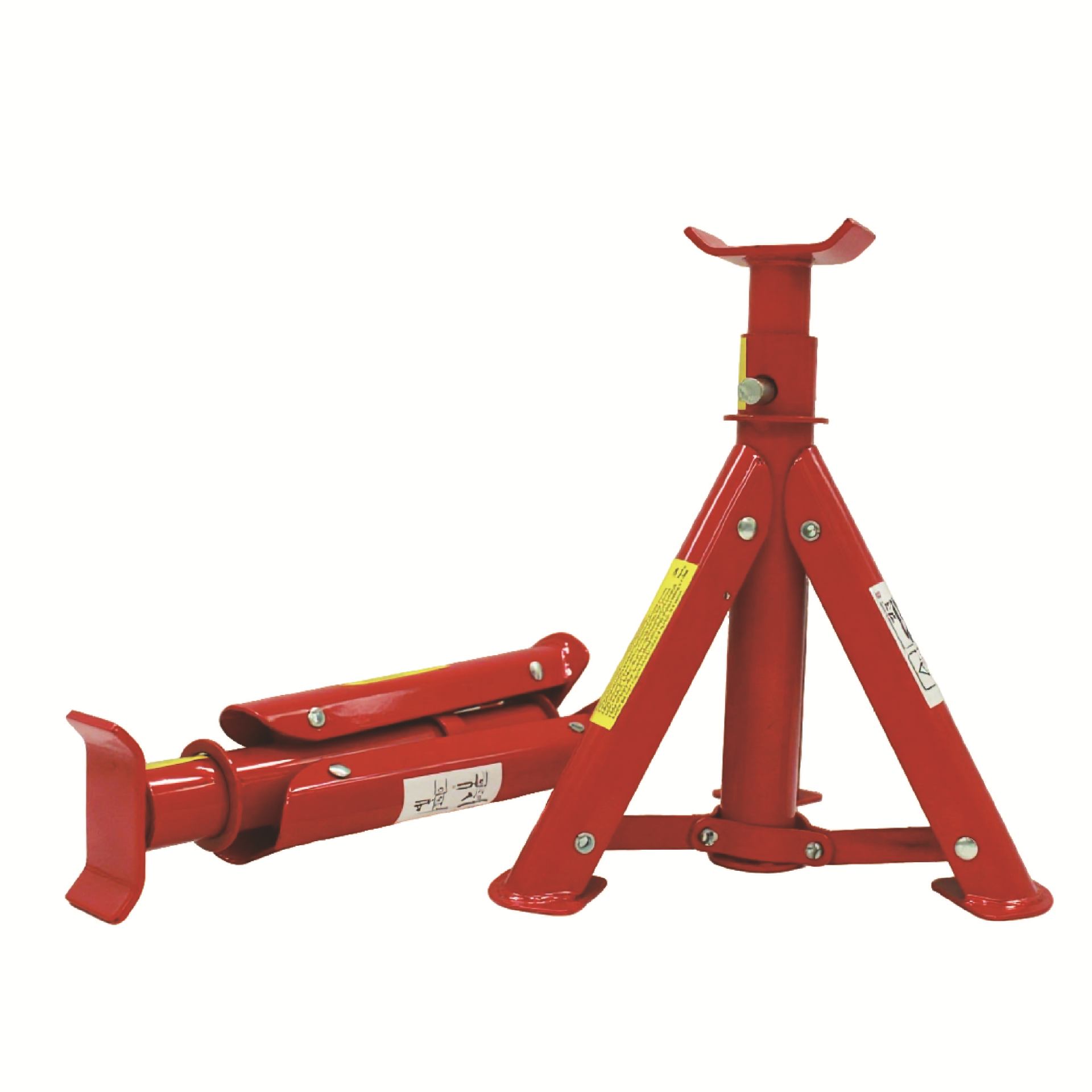
Reduce operational risks: When using a safety stand, the vehicle is stably supported, reducing the risk of injury to repair personnel due to vehicle s...
View More >>
