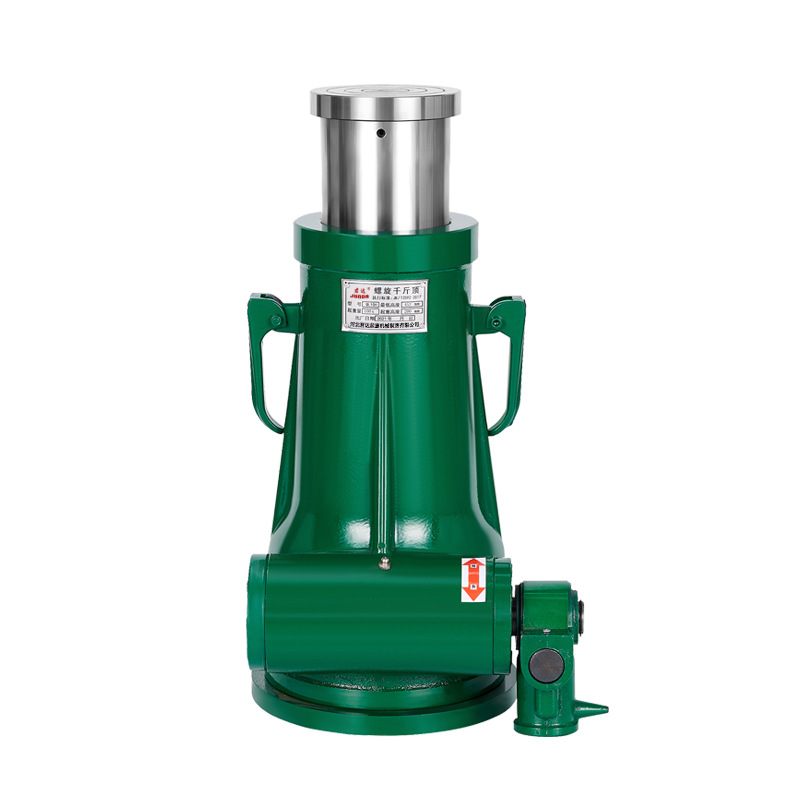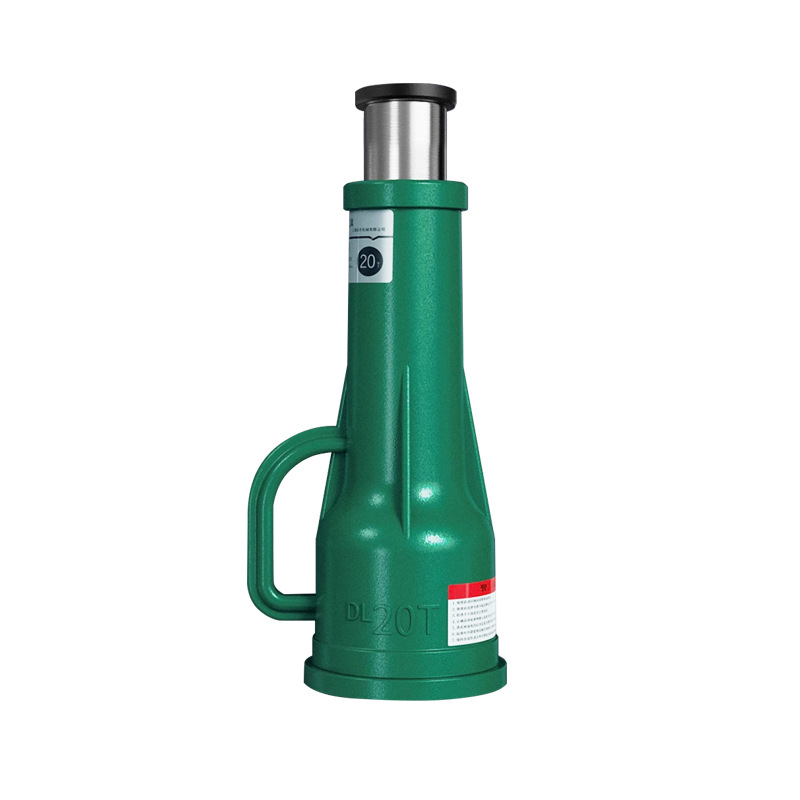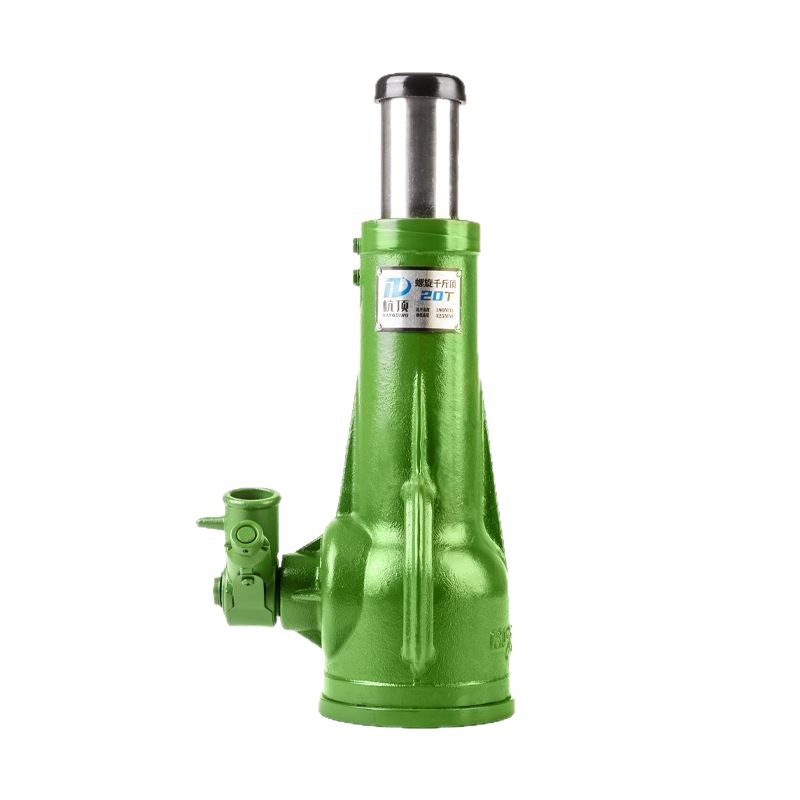
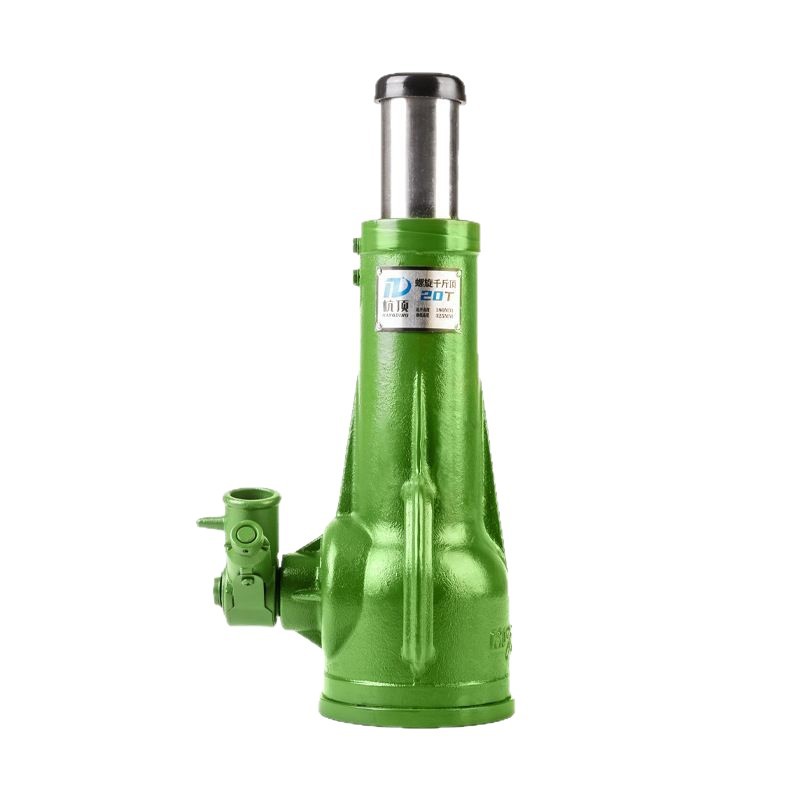
Traditional screw jacks mainly consist of core components such as a base, screw, nut, support cup, and ratchet wrench (or rocker arm).
Early Structure: Used trapezoidal or square threads to provide sufficient strength and self-locking performance.
Modern Evolution:
Material Innovation: Evolved from ordinary carbon steel to high-strength alloy steel and chromium-molybdenum steel, significantly increasing the ultimate load capacity while reducing weight.
Thread Optimization: Adopted rolling technology instead of cutting technology, resulting in smoother thread surfaces, higher strength, and better wear resistance.
Functional Integration: Modern screw jacks have evolved into various types, including self-lowering (automatically and rapidly lowered by reversing the screw) and retaining (requiring manual rotation for lowering), to adapt to different working conditions.
Specialized Design: Various forms have emerged, such as lifting, hook-type, and parallel types, to handle complex lifting spaces.